The original article presented several behaviors as reliable signs of an opponent's cards. This revision replaces that certainty with a more careful distinction between observation and interpretation.
A behavior has several explanations
A quick action can reflect habit, an easy decision, a connection issue or deliberate performance. Hesitation can mean uncertainty without revealing whether a hand is strong. The same visible behavior may have different meanings for different people and settings.
Context matters more than a single incident
An observation is more informative when the observer knows the circumstances and the person's usual behavior. Even then, it remains incomplete information. Selecting only the examples that later matched a guess makes a supposed tell look more reliable than it was.
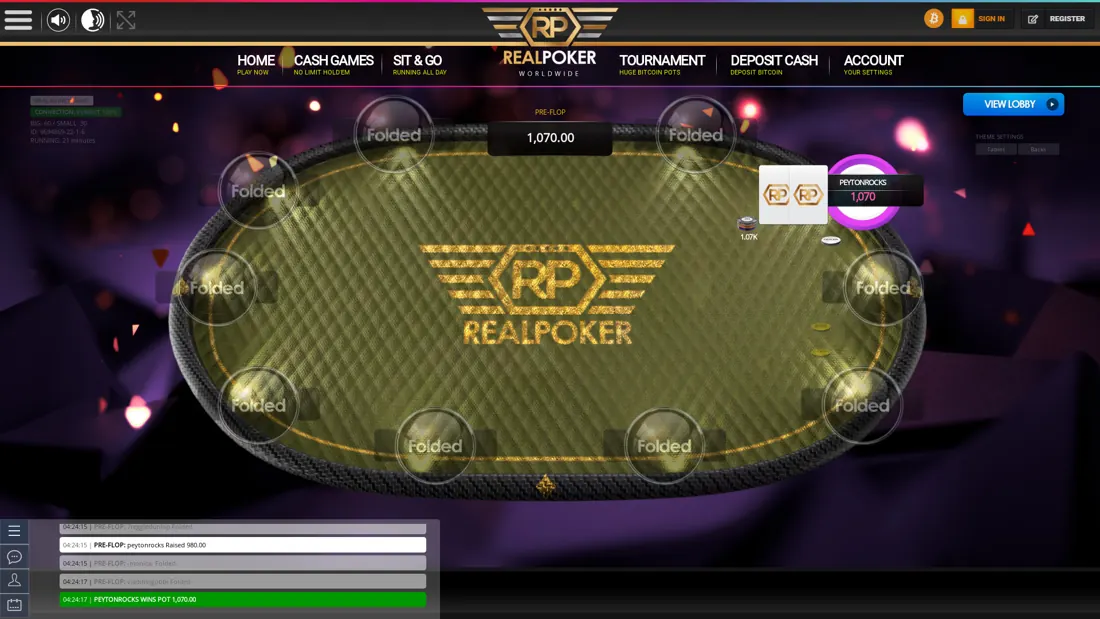
Online timing is especially ambiguous
Distraction and software behavior can affect what appears on a screen. It is not reasonable to treat every delay as a bluff or every instant call as a particular holding. This archive entry offers no guaranteed list of seven signals and does not claim that reading a gesture replaces understanding the hand.